
Quiet Tones, Rich Layers, Refined Small Spaces
Today we dive into muted color palettes and textural layers for refined small-space design, exploring how restrained hues and tactile detail open rooms, soften edges, and invite calm. You will find practical color mappings, material combinations, lighting strategies, and lived-in stories from compact homes that feel unexpectedly generous. Share your questions and subscribe to follow experiments that turn subtle choices into powerful spatial clarity.
The Palette That Breathes
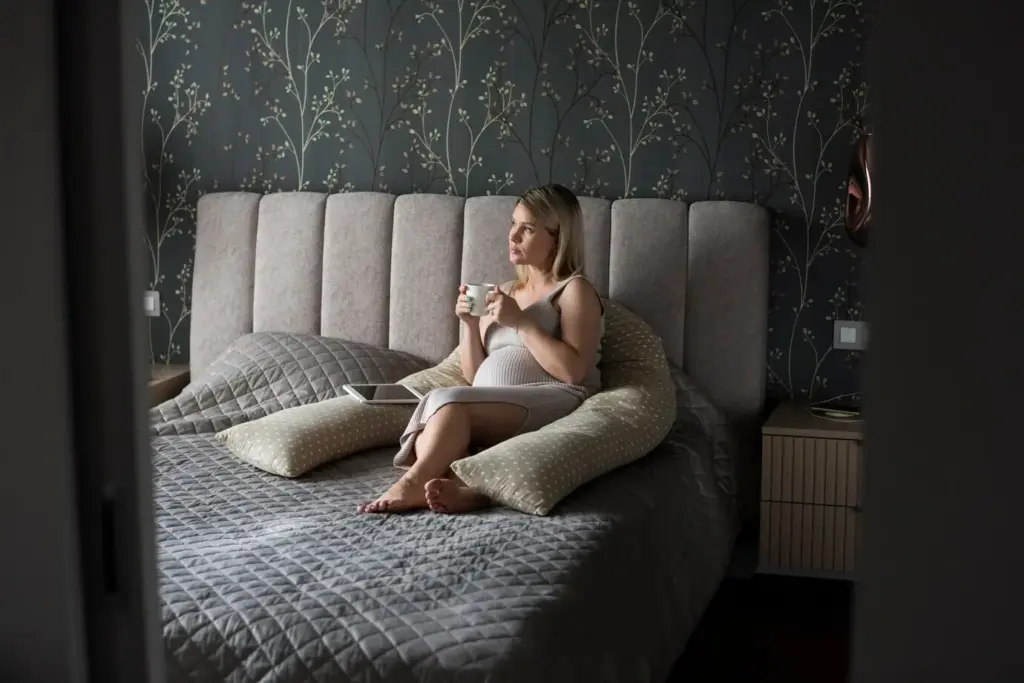
Muted does not mean dull; it means disciplined. By choosing desaturated hues with thoughtful undertones, you create a breathable backdrop that honors daylight and nighttime glow. We will map base, mid, and accent values that cooperate rather than compete, using finishes that photograph beautifully yet feel richly human. Comment with your paint trials, and we will troubleshoot undertones together.
Texture as Architecture
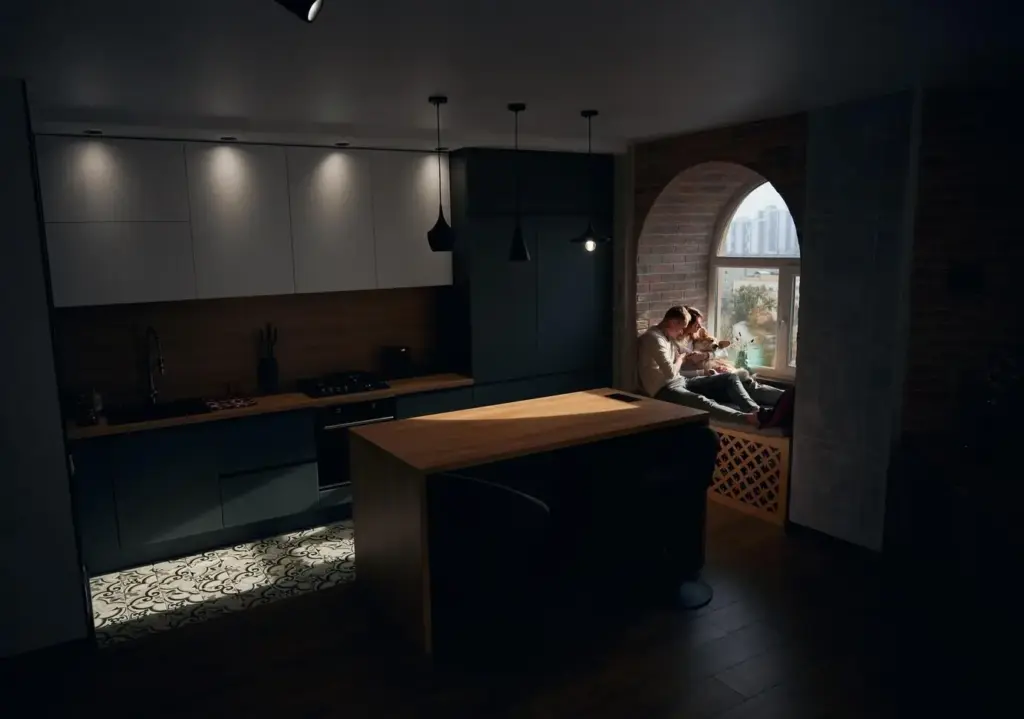
Texture can act like invisible millwork, articulating planes and guiding movement without adding bulk. In tight rooms, fine-grain weaves, brushed finishes, and soft shadows create depth that color alone cannot achieve. We will layer fibers, plaster, wood, and metal with restraint, letting hands discover details as eyes rest. Tell us which surfaces tempt you to reach out and touch.
Fiber Stories: Linen, Wool, Bouclé
Mix crisp linen for breathability, felted wool for warmth, and fine bouclé for tactile micro-shadow. Keep patterns minimal, but vary pile and weave to build dimension. Double up curtains with sheer and medium-weight panels, delivering privacy, softness, and adjustable light without swallowing precious inches.
Wall Finishes with Soft Movement
Limewash and mineral paint diffuse reflections, giving walls a velvety drift that feels calm under daylight and intimate at night. Microcement or fine plaster adds gentle undulation that reads as depth, not mess. Seal strategically where splashes happen, leaving dry zones deliciously matte.
Metal, Stone, Wood: Quiet Contrast
Pair brushed brass with honed marble and smoked oak for contrast that whispers rather than commands. Keep edges softened and profiles thin to maintain airiness. Use repetition—matching pulls, frames, and lamp finishes—so small glints connect sightlines and help the room feel intentional and composed.
Light that Shapes Quiet Rooms
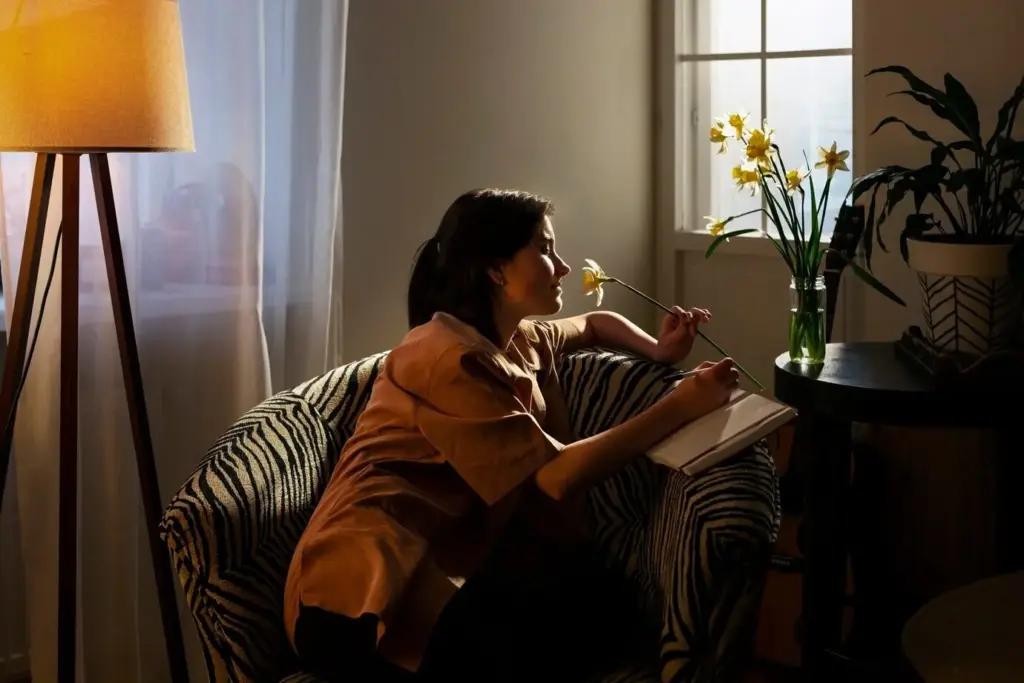
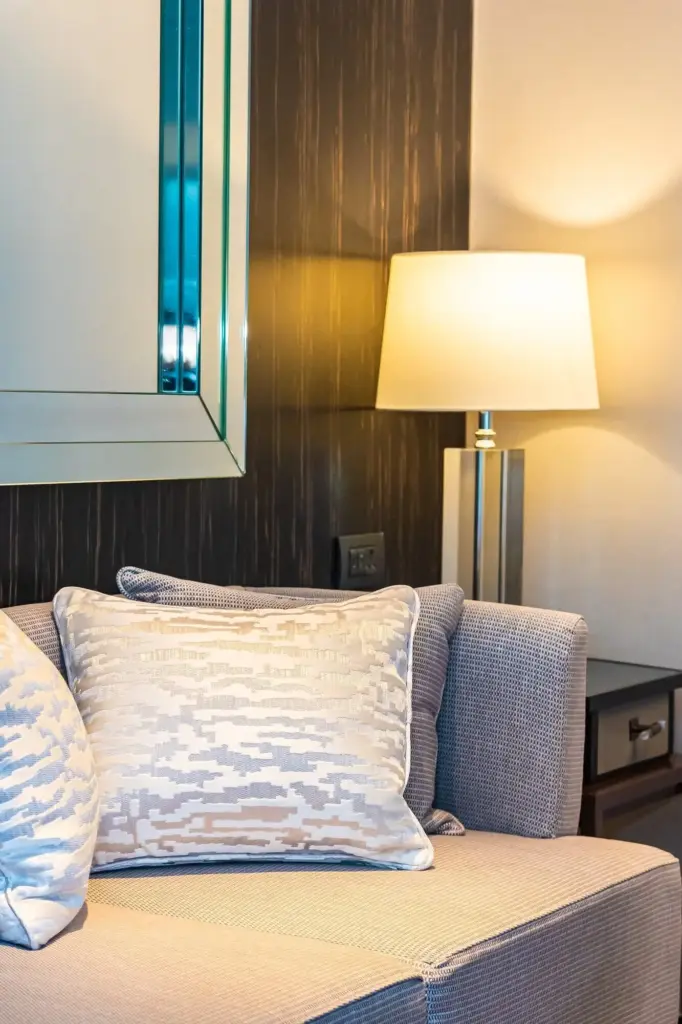
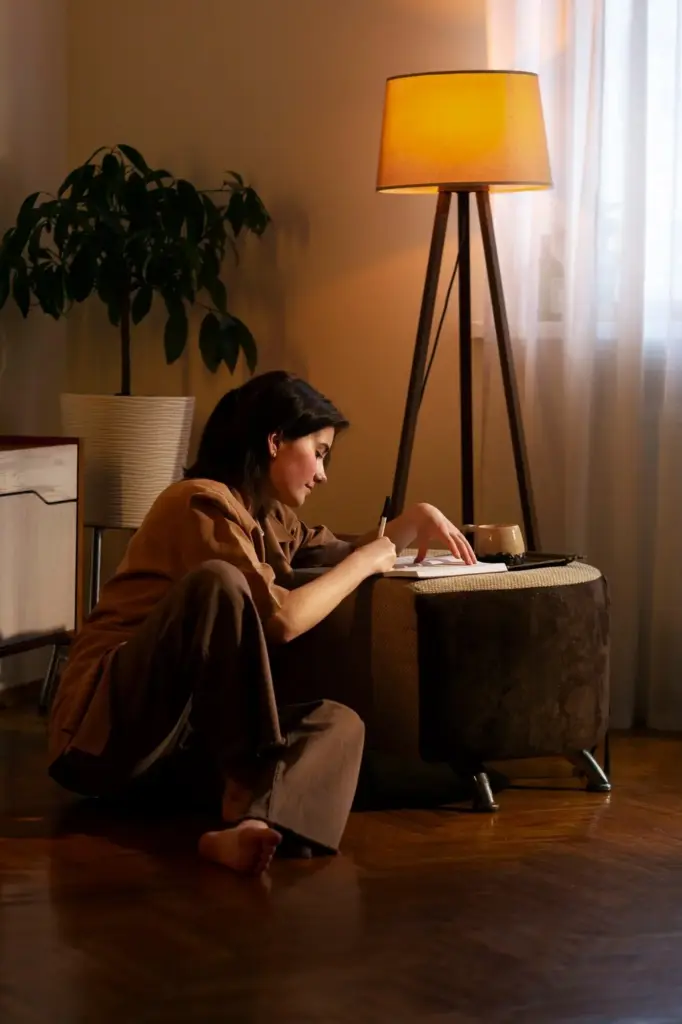
Light decides the success of restraint. Diffused layers widen walls, while targeted accents draw attention to texture instead of clutter. We will test lampshades, bulb temperatures, and dimmer settings to sculpt gentle contrast. With patient tuning, you gain evenings that glow and mornings that clarify, all without adding objects.

Space Planning for Calm Density
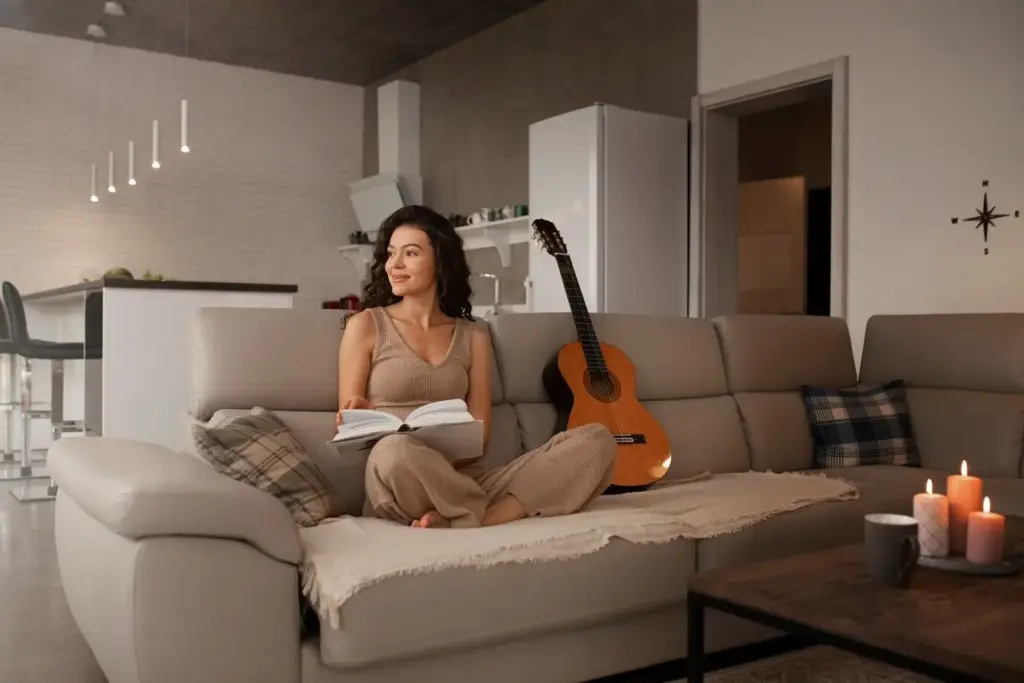
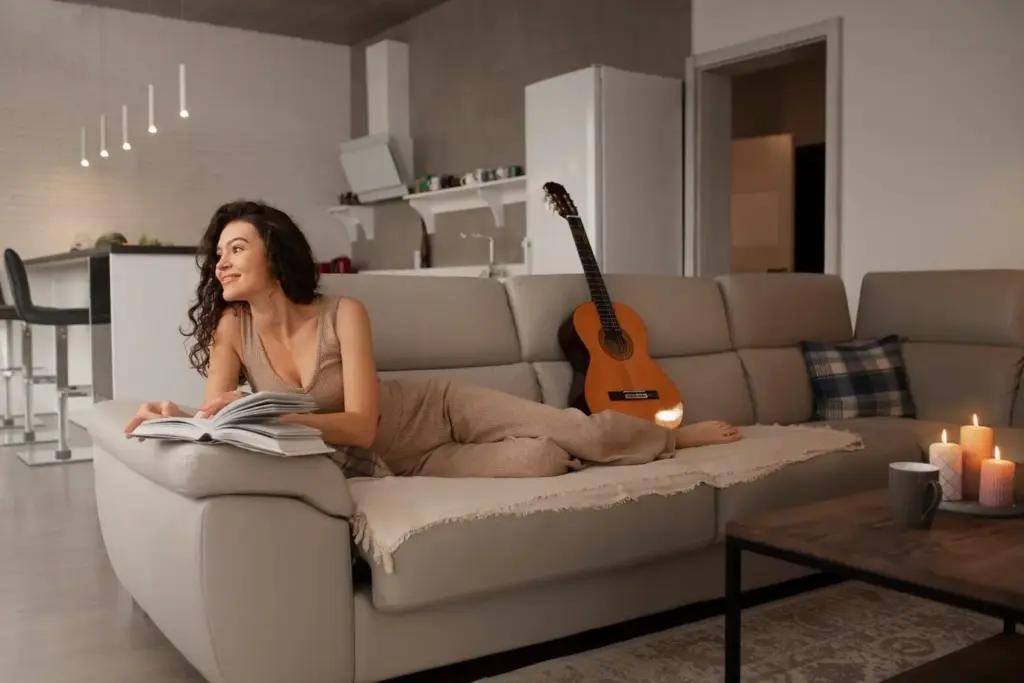
Compact homes thrive when visual weight is managed with intention. Low, leggy furniture opens sightlines, while wall-mounted storage lifts clutter off the floor. We will discuss scale, negative space, and circulation paths that protect the quiet of muted palettes and reward textural nuance. Share layouts, and we will sketch refinements together.

Soft Transitions, Not Hard Stops
Instead of sudden color changes, let tones melt. Carry a wall color into backs of shelves, then nudge intensity for adjacent cabinetry. Echo bedding shades in a throw at the sofa. These whispers cue boundaries while honoring the serenity that muted palettes promise in tight quarters.
Micro-Patterns that Merge
Pinstripes, seed stitch knits, and heathered weaves create vibration that reads as texture from a distance, not busy pattern. Keep scales small and colors near neighbors on the wheel. The result is movement that feels cohesive, helping small rooms avoid static, flat atmospheres.
Floors as Grounding Fields
Floor color anchors perception. Choose muted rugs or finishes with gentle variance—oak with a light fume, sisal with blended fibers, low-contrast vintage patterns. Keep thresholds flush to reduce visual chop. When the ground plane calms, walls and objects appear lighter, amplifying precious volume.
Living with Patina and Care
Refined small-space design lasts when maintenance supports materials. Accept soft wear as character, not failure, and repair thoughtfully. We will outline cleaning routines, breathable sealers, and rotation habits that protect muted hues and textures. Share your housekeeping victories and questions; collective knowledge keeps serenity shining through daily life.
All Rights Reserved.